ADV
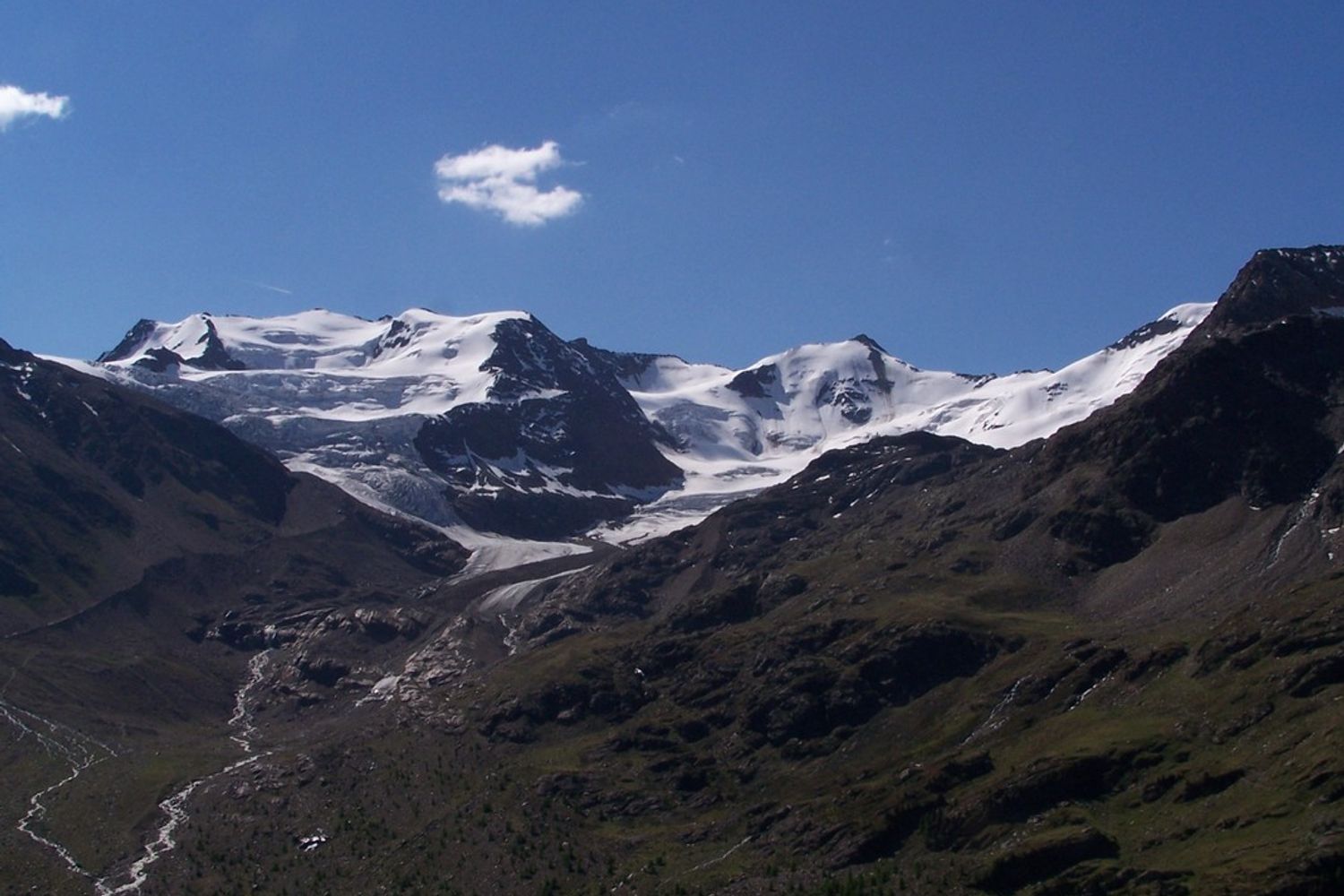
(AGI) Milan, May 10 - Life on glaciers is much more complicated than can be imagined. A team of experts, led by researchers fron the University of Milan Bicocca, has discovered that on Italy's Forni glacier and on Kashmir's Baltoro glacier, the energy and active carbon metabolisms of iced surfaces are not two but four: respiration, oxygen photosynthesis, another photosynthetic metabolism which does not produce oxygen, and the oxydation of carbon monoxide. The DISAT (Department of Environmental and Territorial Sciences and of Earth Science of the University of Milan-Bicocca), coordinated by Andrea Franzetti and Roberto Ambrosini, with colleagues from the University of Milan and of the Bavarian Academy of Science, used advanced DNA sequencing techniques and super-computer technology. The discovery, published in the ISME Journal of the Nature Group, has important consequences. If the presence of alternative metabolisms were to be found in all or most of the glacier areas in the world, making up about 10 percent of land areas, it would be necessary to recalculate the overall contribution of glaciers to crucial phenomena such as the greenhouse gas effect and global warming. The ecosystems studied are the Forni glacier in Lombardy which, in past decades has become visibly smaller, and the Pakistani side of the Baltoro glacier in Kashmir which tends to remian quite stable generating the phenomenon known as the "Anomaly of Karakorum". This is the first study in the world applying DNA massive sequencing techniques to supra-glacier sediments. Roberto Ambrosini said: "Glaciers are not lifeless environmentson the contrary, they host complex communities formed mainly by bacteria. Their growth and their metabolisms may consideraby impact on the blackening, the melting of ice and the maintenance of the essential ecological functions for the ecosystems downstream." Andrea Franzetti said: "Such bacterial communities are still more versatile than what has been hypothesised to date. Light promotes the fixation of carbon dioxide and supports also the energy needs of other micro-organisms by means of a non-oxygen aerobic photosynthesis process. Wherever there is an intensive solar radiation, it is possible to find bacteria capable to complete the oxydation of carbon monoxide into carbon dioxide." (AGI)
ADV
Condividi
ADV