GTS railway company runs on Europe's tracks
(AGI) Bari, Mar 31 - The GTS railway company, based in Bari, is developing along...
di lettura
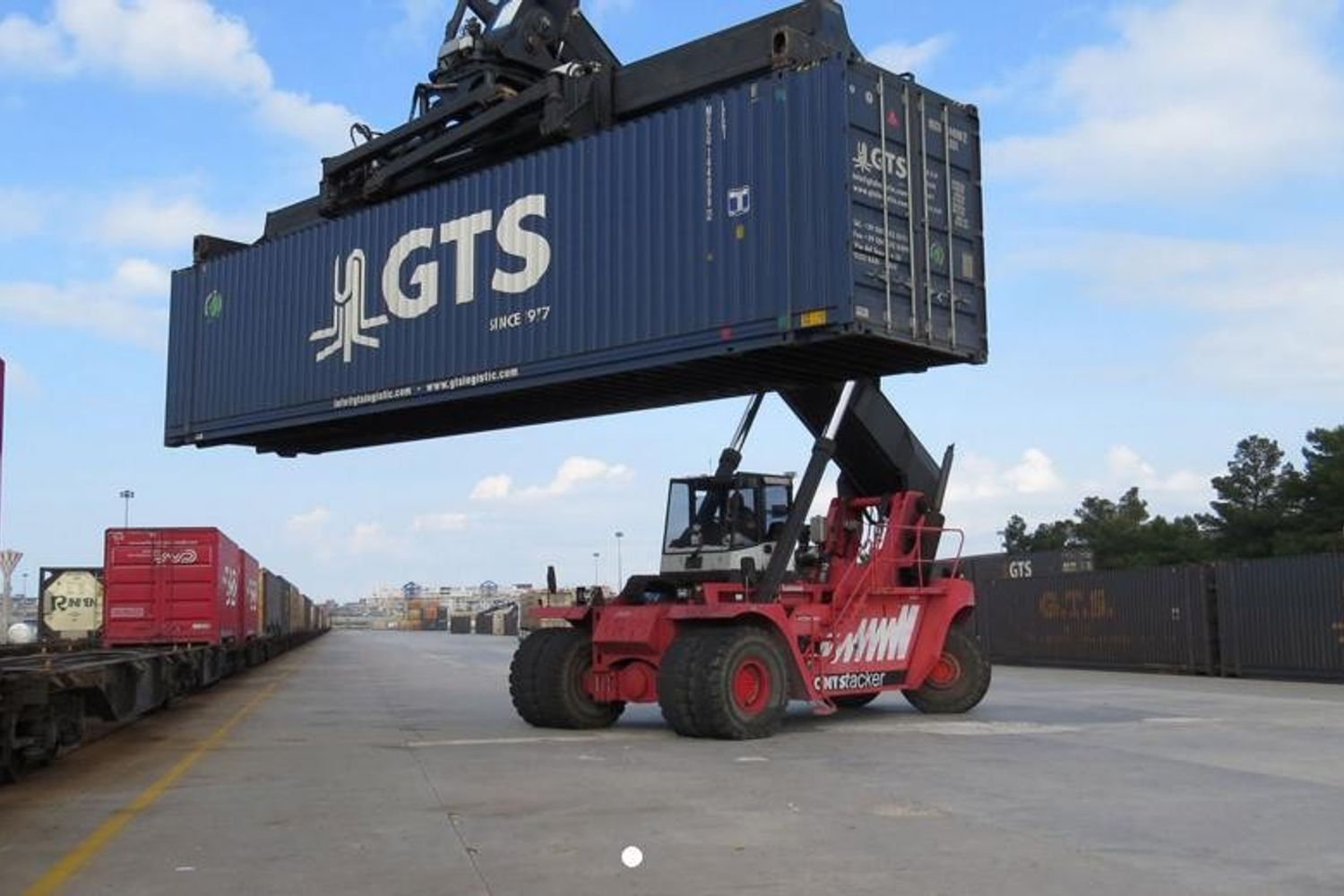
(AGI) Bari, Mar 31 - The GTS railway company, based in Bari, is developing along Europe's tracks, with 70 percent of its turnover coming from outside Italy and a presence in 20 EU countries, as well as Turkey and Switzerland. "The company was established in 1977 by my father Nicola who is its current chairman," explains GTS CEO Alessio Muciaccia. "Our mission is clear: given that we do not believe road transport to be sustainable, we remain faithful to environmentally friendly freight transport, by rail for long distances and by road for short distances. In 2016 we expect a turnover of around 90 million and approximately 95,000 deliveries with a network of 4,000 trains, making our company one of the ten main ones of its kind in Europe." GTS deals with freight delivery through trains with container carriages that are transported to their destination without any intermediaries. Until 10 years ago, the railway was mainly a state affair, like the companies who worked in the sector - Ferrovie dello Stato in Italy, British Rail in Great Britain, Deutsche Bahn in Germany. However, the crisis transformed the freight transport sector. In the past seven years, despite increased turnover for private companies, rail traffic has fallen by 40 percent on average. "In 2007 all Italy's railway companies produced around 72 million train km entirely under Trenitalia, whereas in 2015 this has fallen to 44 million and Trenitalia's share is down to 29 million," says Muciaccia. Freight transport in Italy is one fifth that of Germany and two thirds that of France. Furthermore, in the Netherlands and Germany trains are 750 metres long, compared to 450-500 metres in Italy, and they can transport 50 percent more goods. "Private market access to the sector has led GTS to change. It is now made up of two main companies: GTS Ltd for door-to-door deliveries, and the railway company with dozens of locomotives, the sixth largest in Italy by distance covered. Freight transport is made up of 70,000 companies of which 92 percent have less than five employees, and there is strong competition from Bulgaria and Romania. "It is a highly fragmented, often inefficient system," explains Muciaccia, "with few economies of scale, but it's our country's logistic system that doesn't work. Just think that in all the ports of the South, not a single container train leaves to transport goods from the Far East, whereas from Rotterdam 200 trains come and go each day." As Infrastructure Minister Graziano Delrio recently said: "intermodality and logistics seem abstract words, but in fact they have a very strong impact on businesses." (AGI). .